Hearing Colors, Seeing Sounds
İlknur Atbaş 12.10.2014
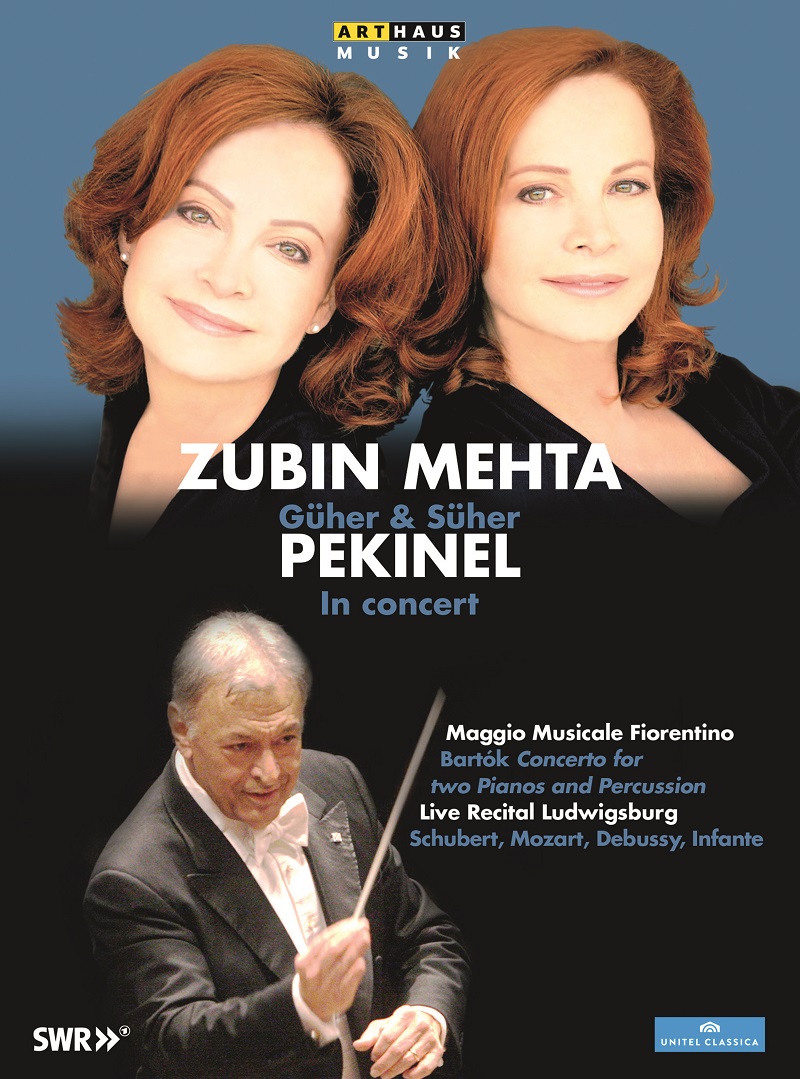
Güher and Süher Pekinel’s new concert DVD “Zubin Mehta, Güher & Süher Pekinel In Concert” is now on shelves. Its theme is “Hearing Colors, Seeing Sounds.” We spoke to the Pekinel sisters about their symphony of colors giving voice to works inspired by the Blauer Reiter movement led by painter Wassily Kandinsky, assigning a note to each color.

What does it mean, “Hearing Sounds, Seeing Colors”? What was it that pushed you to think about and produce under this title?
Ever since the first ages of history, people have believed there is a connection between colors and music. In 1922, painter Wassily Kandinsky developed a form of synthesis that would allow him to work outside of the objective. Kandinsky’s aim was to hear colors and see sounds. In light of this goal, he created “color symphonies” out of “color sounds,” assigning a color to each note, developing a synthesis of painting and sound, spearheading this movement. What pushed us to think under this title is that we are two artists who display a different form of communication that aims to synthesize modernity and tradition in new templates outside of classical music. We mainly spend our time on our works that are compiled from projects that have been synthesized with new movements, so younger generations can internalize classical music with these different tastes as part of their own lives. We have observed that the musicians that we are supporting are also slowly starting to exhibit signs of this movement.
What kind of a relationship are you building between colors and sounds when you’re interpreting the pieces that are featured on the DVD?
There is a common neurological denominator in the perception of sounds and colors. Yet most of us don’t even notice this relationship throughout our lives. Some of us, however, aided by an interest in painting, like ourselves, feel this distinction quite clearly and transmit different shades of color by giving different emphases to sounds. In the way that the emotion represented by each color differs from one another, animating them via notation creates an equally different effect. Even if the colors we see are very similar, since we perceive and internalize these shades differently, and the reflection of our synergy creates a different taste for the listener.
While you were living in Munich, you spent most of your free time painting. How much of an effect did your interest in the art of painting have in shaping the Kandinsky-led Blauer Reiter movement’s influence on your work?
Yes, during our time in Munich we followed the art of painting closely and spent our time painting. We spent this time under the influence of abstract impressionism, which is closely associated with Kandinsky. Especially during our high school years, we were influenced by his two books, “Concerning the Spiritual in Art ” (1911) and “Point and Line to Plane” (1926). We also visited exhibitions and attended different seminars and events held at the Lenbachhaus Museum that housed the Art Academy and the Blauer Reiter Collection. These activities helped us renew and strengthen our imaginative faculties both musically and visually. We were able to capture the connection between colors and sounds within our conception due to our interest in various branches of art and our musical foundation. Our recording of the “Sonata for Two Pianos and Percussion” for Teldec/Warner was also done during this same time, in 1987, influenced by our interest in Bartok. Similarly, our paintings “Sonata” and “The Harmony of Opposites” were also created during this time period.
OUR GOAL IS TO INTRODUCE TURKEY TO THE WORLD
Sonata for Two Pianos and Percussion” is a composition that bears traces of Bela Bartok’s trip to Turkey with Adnan Saygun in 1936. It is not very well known in Turkey… Was adding this piece to your repertoire a conscious choice?
Yes. In 1936, Bela Bartok visited Anatolian towns with Adnan Saygun in a horse and carriage. He then used 64 of the folk songs and ballads that he collected in his own work, and “Sonata for Two Pianos and Percussion” become one of his best known pieces. Adding this piece to our repertoire was a conscious choice as our DVD will be sold world-wide and marketed globally. One of our goals has always been to ensure that Turkey is mentioned in all of these platforms and to introduce Turkey to the world. We touch upon this in detail in the analysis we personally wrote for the DVD booklet.
Taking the harmony yo102191_Pekinel_in_Cover-smallu achieve while playing into account, can you both see the same colors and hear the same sounds while making music?
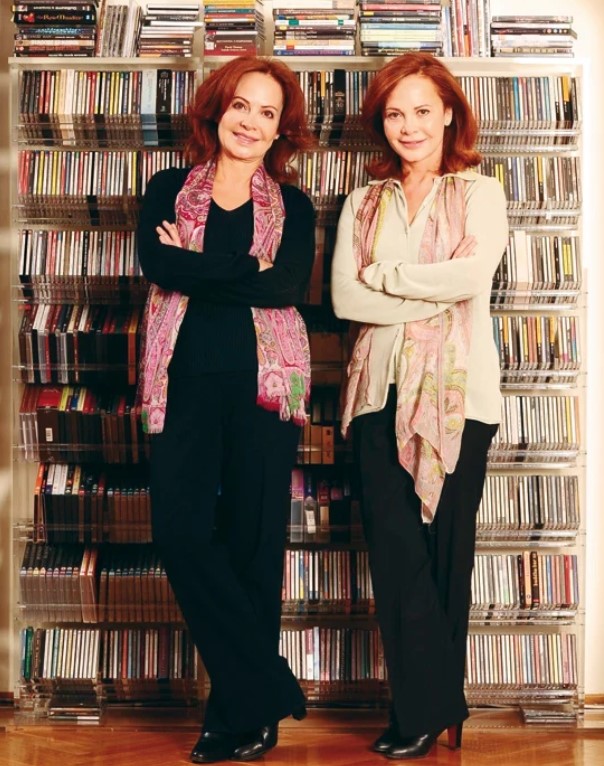
Aside from us being twins, the distinction of the harmony that we achieve together comes from the fact that the common ground of our life philosophies stems from music and art. Even though the primary colors are the same, we are of the opinion that the shade that represents each individual is different. We worked with the same teacher for years in order to find and develop our own personalities, but we never listened to one another play and never played the same pieces, so as to not be under any influence. I think, as can be heard in our music, even though we both perceive the primary colors differently, over time, the harmony of unity creates a unique flow in our stage performance since we capture such similar shades.
OUR WORK HAS RECEİVED ITS RIGHTFUL RECOGNİTİON FROM TURKEY
We wholeheartedly believe that our work has now found its rightful place in Turkey as well. Receiving IKSV’s Honorary Award in 2013 brought us the joy and pride of being understood in our country. Our greatest desire is to ensure that the state of the Republic of Turkey provides the support that will allow our musicians to be commemorated alongside global